

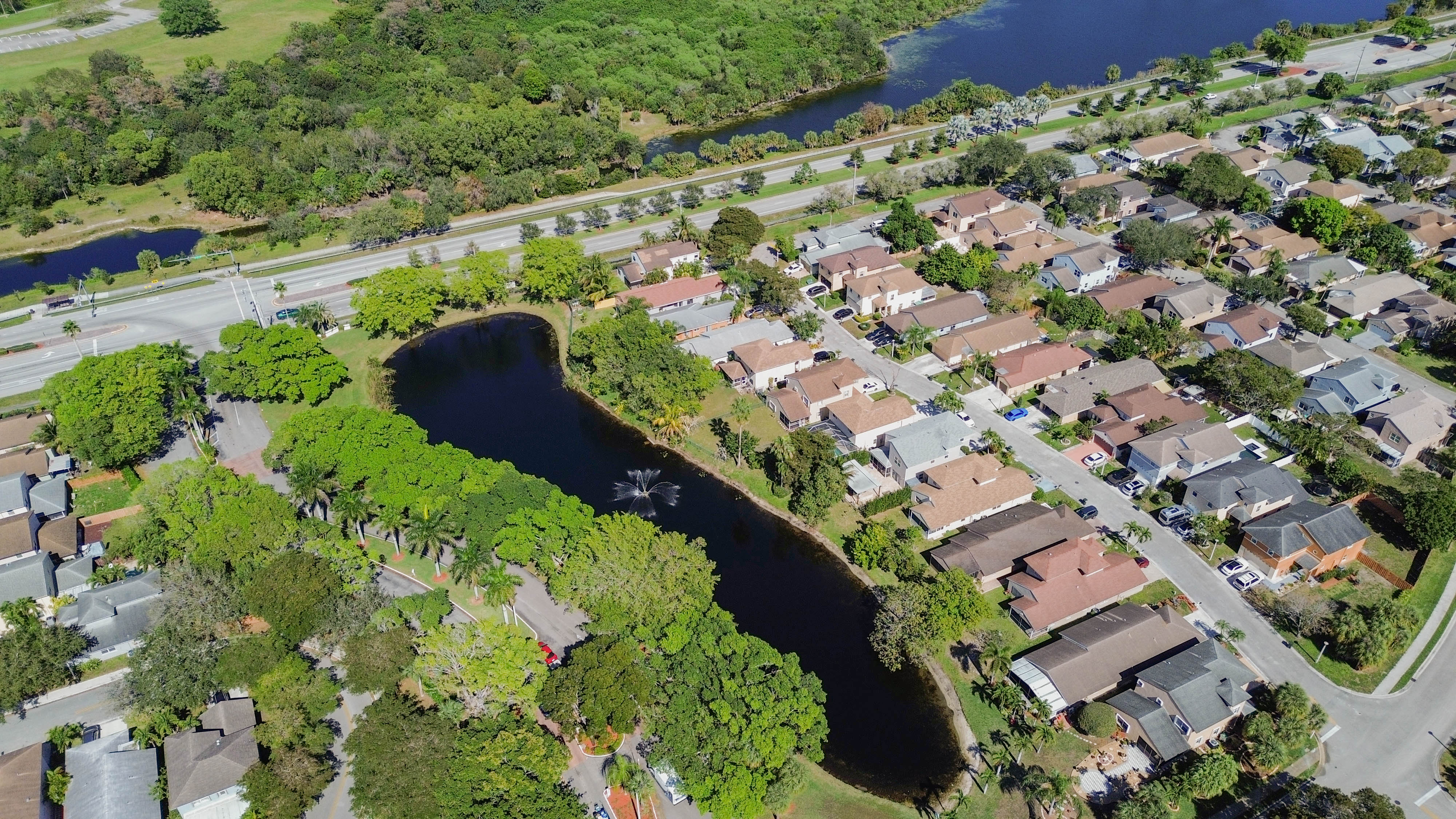
An owner we work with lived in another state. He had bought a single-family rental here in Broward, found tenants who paid on time every month, and from a distance everything looked perfect. Rent hit his account, no complaints, no drama. He had not set foot on the property in over a year, and why would he? The money was coming in.
Then a neighbor called him. There were around eight cars parked at the house, in the driveway, on the grass, up and down the street. More than ten people were living in a home leased to a family of four. The tenants had quietly turned a residential rental into something else entirely, and by the time anyone noticed, it had been going on for eight months.
The rent had never been late. That was the trap. He thought paying on time meant everything was fine.
This is the part most owners miss, and it is the whole reason this article exists. Property management is not just collecting rent. It is keeping control of your property. Those are two completely different jobs, and the gap between them is where owners get hurt.
What people think property management is, and what it actually is
Ask most owners what a property manager does and they will say "collects the rent and calls a plumber when something breaks." That is the easy 20 percent. It is also the part you could probably do yourself with a payment app and a phone.
The other 80 percent is the part nobody sees until it goes wrong:
Knowing who is actually living in your home. Catching a lease violation in month two instead of month eight. Documenting the condition of the property before, during, and after a tenancy so a deposit dispute does not turn into a court date. Serving the right legal notice, the right way, within the right timeline, so an eviction does not get thrown out on a technicality. Pricing the unit so it does not sit empty for three months eating your mortgage.
None of that shows up in your bank account as a line item. It shows up as the disaster that never happened.
The out-of-state owner problem (and why local owners are not safe either)
The owner in the story made one specific mistake: distance. When you live in another state, you cannot drive by. You cannot notice that the lawn has not been cut, that there are suddenly cars you do not recognize, that the garage has been turned into a bedroom. You are relying entirely on the tenant to tell you when something is wrong, and a tenant who is breaking the lease is not going to call you.
But here is what we tell local owners too: living twenty minutes away does not protect you if you are not actually looking. We have met owners in Hollywood and Pembroke Pines who had not done a single interior inspection in three years because it felt awkward to ask. Awkward is cheaper than ten people and eight cars. Proximity only helps if you use it, and most owners do not.
This is the honest case for professional property management. It is not that you are incapable. It is that the job requires a system, consistent eyes on the property, and a willingness to enforce the lease even when it is uncomfortable. Most owners have a full-time life that does not leave room for that.
What actually goes wrong when no one is minding the property
After more than a decade managing rentals across Broward, the failures we see fall into the same handful of buckets almost every time.
Weak screening. The tenant who turns into a problem usually showed signs before they ever moved in. A rushed screening, skipping the income verification, ignoring a thin rental history, taking a story at face value. In Florida you can set lawful, consistent screening criteria, and applying them the same way to every applicant is both good business and your protection against fair housing complaints. The owners who screen casually are the ones who call us at month six.
No inspections. This is the eight-cars story. A move-in inspection, periodic interior checks, and a move-out inspection are not bureaucracy. They are how you find out a single-family home has quietly become a boarding house before the city code enforcement officer finds out for you and starts issuing fines in your name.
Mishandling the security deposit. Florida Statute §83.49 is specific about how a landlord holds a deposit and the timeline for returning it. If you make no claim on the deposit you generally have 15 days to return it. If you do intend to keep part of it, you have 30 days to send written notice by certified mail, and missing that window can cost you the right to keep any of it. We have watched owners lose deposit disputes they should have won, purely because the paperwork and the clock were not handled right.
Serving notices wrong. When a tenant violates the lease, like the unauthorized occupants in our story, Florida law spells out the process. A non-monetary violation typically requires written notice giving the tenant an opportunity to cure under §83.56, and nonpayment of rent has its own separate notice and timeline. Owners who try to shortcut this, who text the tenant or change the locks, do not just lose. They expose themselves to liability. The eviction that gets dismissed because the notice was defective is one of the most expensive mistakes an owner can make, because you start the whole clock over while the tenant stays for free.
Vacancy and mispricing. An empty unit is the single biggest cost most owners face, and it is invisible because it is money you never see rather than money you lose. Price too high and it sits. Price too low and you leave thousands on the table over a year. Knowing what a three-bedroom actually rents for in Davie versus Miramar versus Hollywood Lakes this month, not last year, is the difference between a unit that turns over in two weeks and one that sits for two months.
When you might NOT need a property manager
We would rather be straight with you than sell you something you do not need.
If you own one unit, it is in the same town you live in, you have time to be hands-on, you genuinely enjoy the work, and you are comfortable with the legal side of screening, notices, and deposits, then self-managing can absolutely make sense. Plenty of good landlords do it for years.
Where the math and the stress tip toward hiring help is when any of these are true: you live far from the property, you own more than one or two units, you have a demanding career or family that does not leave room for 9 p.m. maintenance calls, you have never served a legal notice and the idea of an eviction terrifies you, or you have already been burned once and do not want a second time. If you saw yourself in that list, the question stops being "can I do this myself" and becomes "what is my time and peace of mind worth."
What good management actually looks like
The owner with the eight cars is now one of ours. The difference in his experience is not that the rent shows up, it always did. The difference is that someone is watching the property the way he would if he could be here. Regular inspections. A lease that gets enforced. Notices served correctly when they need to be. A deposit handled by the book. And a phone call to him when something matters, not eight months after it started.
That is the standard we hold ourselves to, and it is why we put our promises in writing instead of just saying them. We back our work with six written guarantees covering everything from on-time rent to the quality of the tenants we place, and our eviction rate sits below one percent, because the best eviction is the one that never has to happen in the first place. That number is not luck. It is screening and oversight doing their job.
Frequently asked questions
How much does a property manager cost in Broward County?
Most management here runs on a percentage of monthly rent plus a leasing fee when a new tenant is placed. We broke down our actual fee structure in detail in a separate article on property management costs, and we are upfront about every line so there are no surprises. The better question is not just the percentage, it is what is included in it.
I live out of state. Can a property manager really handle everything?
Yes, and frankly out-of-state owners are who benefit most. You get someone physically here doing the inspections, the showings, the maintenance coordination, and the lease enforcement you cannot do from another state. The owner in this article is a perfect example of why distance and self-management do not mix.
What happens if my tenant violates the lease?
There is a legal process in Florida, and following it precisely is everything. Depending on the violation, that means the correct written notice, the correct cure period or timeline, and proper documentation, all under Florida Statute §83.56. Doing it right is what keeps a violation from turning into a tenant who lives in your property for free while the case drags on.
Do I lose control of my property if I hire a manager?
It is the opposite. You set the standards and approve the big decisions. We handle the day-to-day execution and the things that need eyes on the ground. You trade the 9 p.m. phone calls for actual control over what is happening at your property.
We serve owners across Broward, including Hollywood, Fort Lauderdale, Pembroke Pines, Miramar, Weston, Davie, Cooper City, Dania Beach, Hallandale Beach, and Plantation.
The bottom line
The owner in this story did not have a rent problem. He had a control problem, and he did not know it until a neighbor told him. That is the real risk of treating property management as nothing more than rent collection. The money can look perfect right up until the moment it does not.
If you own a rental in Broward and you have been managing it from a distance, or just managing it on hope, it is worth a conversation. We will tell you honestly whether you need us or not.